Green Hydrogen Plant
Mechanical engineering of the cooling systems supporting a proposed 5 MW green hydrogen production facility
Project Overview
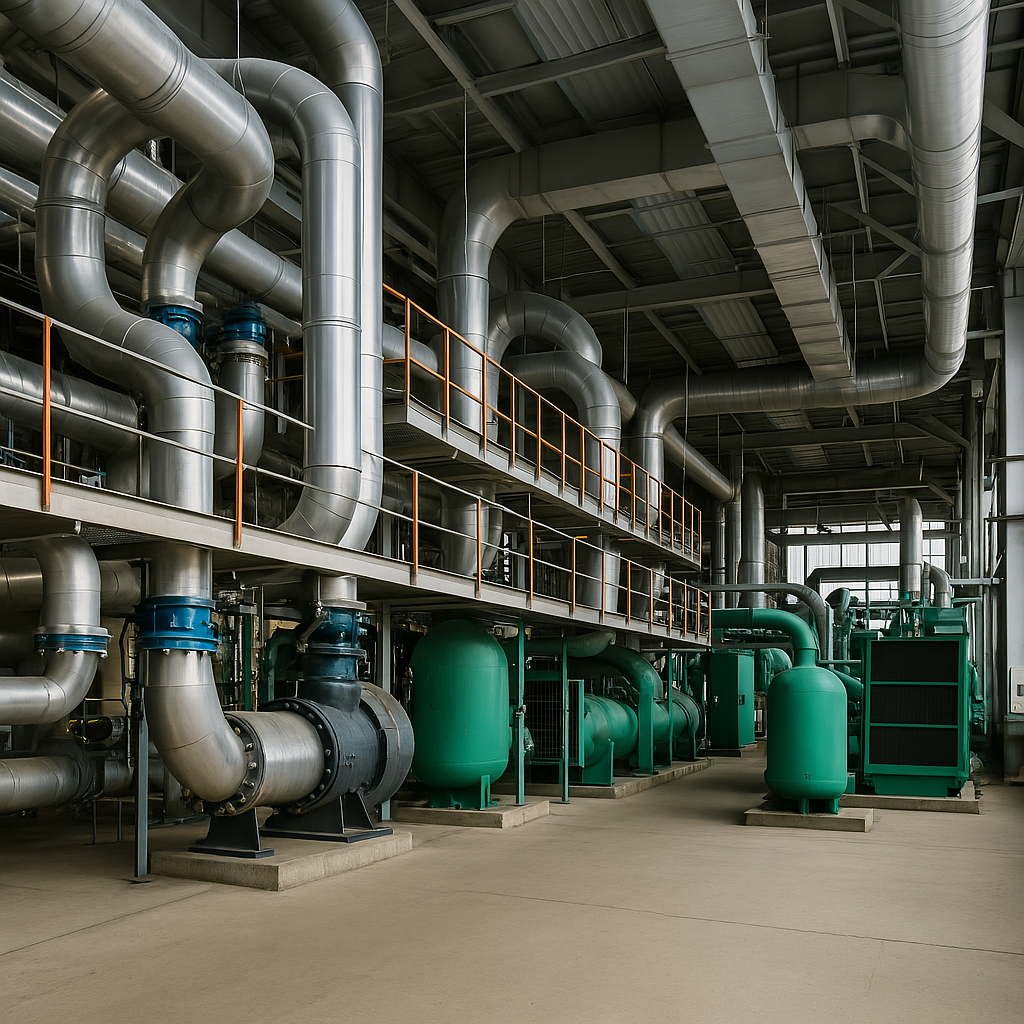
The Green Hydrogen Plant project involved the design of critical cooling subsystems for a state-of-the-art hydrogen production facility in Douglas County, Washington. This innovative facility uses renewable hydroelectric power to produce green hydrogen through electrolysis, supporting the transition to clean energy and decarbonization of multiple sectors.
As part of this project, our team was responsible for designing the cooling systems that maintain optimal operating conditions for the electrolyzers, power electronics, and hydrogen processing equipment. These systems are critical to the efficiency, reliability, and safety of the hydrogen production process.
A proposed 5 MW PEM electrolyzer facility with a design hydrogen production capacity of approximately 2,000 kg per day.
My Role
I worked as a Mechanical Engineer on the design of cooling systems supporting the proposed hydrogen production facility.
Scope of Work
- Thermal modeling and cooling load analysis for electrolyzer systems
- Design of closed-loop cooling systems for power electronics
- Process cooling for hydrogen compression and purification
- Heat recovery system design for improved efficiency
- Control system integration and optimization
- Commissioning support and performance verification
Technical Challenges & Solutions
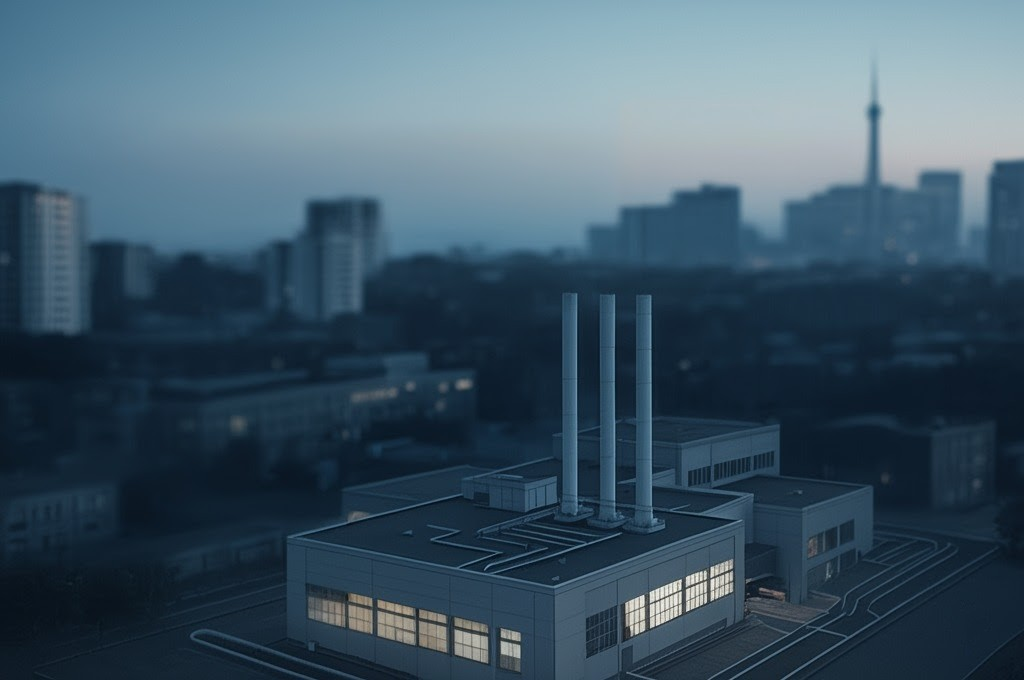
One of the primary challenges in this project was designing cooling systems that could handle the precise temperature control requirements of the electrolysis process while operating efficiently in varying ambient conditions. The electrolyzer stacks generate significant heat during operation and require tight temperature control to maintain optimal efficiency and prevent damage.
Another challenge was integrating the cooling systems with the facility's overall energy management strategy to maximize efficiency and minimize the carbon footprint of the hydrogen production process.
The solution involved a multi-tiered cooling approach with primary and secondary loops, advanced control algorithms for dynamic load management, and heat recovery systems that capture and repurpose waste heat. This integrated approach not only met the technical requirements but also enhanced the overall efficiency of the hydrogen production process.
Results & Impact
Technical Design
- Cooling systems designed to meet tight temperature control requirements for critical processes
- Preliminary engineering estimate of approximately 20% reduction in cooling energy consumption.
Environmental Impact
- Facility designed for approximately 2,000 kg/day of green hydrogen production
- The overall proposed hydrogen production project was estimated to avoid approximately 7,000 tonnes of CO₂ annually, subject to project operating assumptions.
The production capacity and avoided-emissions figures above apply to the entire proposed hydrogen facility, not the cooling subsystem alone, and are design specifications and estimates rather than measured operating performance.
Related Projects
Explore more of Mike's clean energy and innovative infrastructure projects