Canada Post Electrification Study
Electrification feasibility studies for three Canada Post facilities in Quebec.
Project Overview
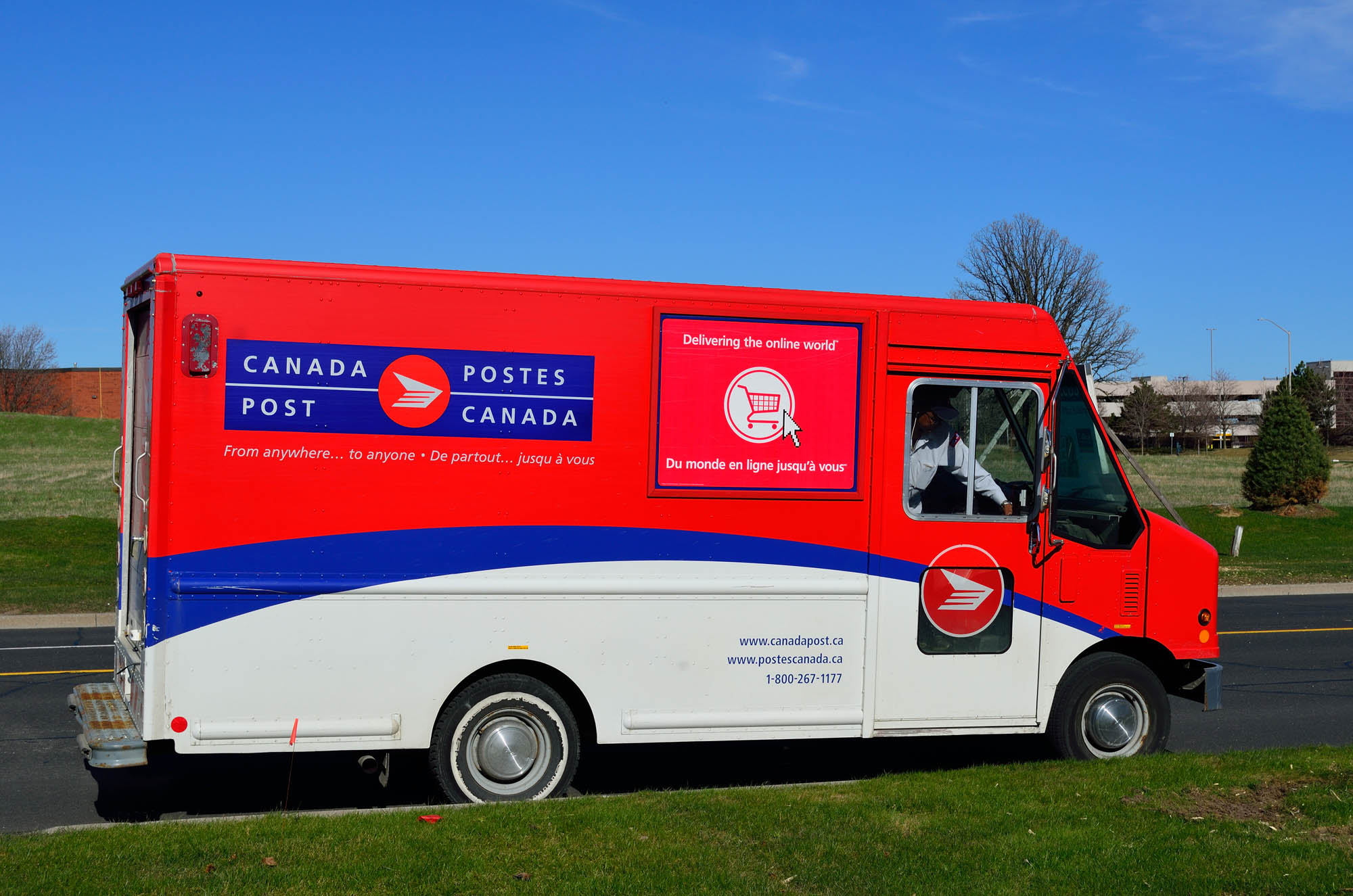
Canada Post is advancing its climate strategy with a targeted effort to decarbonize select facilities in Quebec as part of its broader commitment to reduce Scope 1 and Scope 2 greenhouse gas emissions by 50% by 2030. This was a Stage 1 Electrification Feasibility Study for three key sites: Alma, Granby, and St. Jean. The objective: assess the technical and financial viability of transitioning aging HVAC systems to low-carbon alternatives, while ensuring occupant comfort and operational reliability.
This study evaluated the current state of HVAC systems at each site and proposed electrification strategies using detailed system assessments, cost analysis, and lifecycle modeling. Two decarbonization pathways were considered: a fully electric solution, and a hybrid system integrating electric upgrades with retained fossil fuel systems as backup.
My Role
I served as Technical Lead for the electrification feasibility studies covering all three Quebec facilities.
Scope of Work
- Comprehensive assessment of three Canada Post facilities (Alma, Granby, St Jean)
- Two site visits per location for on-site condition verification
- HVAC system evaluation: heating/cooling distribution, zoning, controls, lighting
- Equipment inventory and end-of-life identification
- Development of two upgrade options:
- Option 1: Fully electric
- Option 2: Hybrid electric + legacy fossil backup
- Structural and electrical capacity reviews
- Stakeholder meetings and decision-making support
- Class D cost estimates and life-cycle analysis
- GHG emissions modeling for each proposed option
- Identification of potential reuse opportunities for existing infrastructure
- Final reports and recommendations for each site
Technical Challenges & Solutions
1. Diverse Facility Conditions
Each site had unique legacy systems and operational constraints. The Alma site, for example, had a previously completed zero-carbon study, while Granby and St Jean required fresh assessments across HVAC and electrical systems.
Solution: A flexible evaluation framework was applied, integrating existing documentation (e.g., hazmat, BCR, site visit reports) with live system walkthroughs. This enabled a tailored analysis that reflected site-specific realities while maintaining consistency across the portfolio.
2. Electrification Without Disruption
Maintaining building function during upgrade implementation was a top priority, especially with postal operations that cannot tolerate prolonged downtime.
Solution: Proposed a phased approach prioritizing modular, swappable components (e.g., rooftop heat pumps, VRFs) and hybrid system pathways that allow stepwise decarbonization without total system shutdowns.
3. Utility Capacity & Incentive Alignment
Anticipated increases in electrical load from electrification raised concerns about grid capacity and utility connection upgrades.
Solution: Each site's utility feeder and transformer capacity were assessed in detail, and projected demand growth was modeled. We also identified available utility incentives and committed to administrating the application process to offset upgrade costs.
Results & Impact
Environmental Impact
- Energy modelling across the three facilities identified potential greenhouse gas emissions reductions exceeding 60% under the evaluated electrification pathways.
- Futureproofed system design in alignment with Canada Post's 2030 targets
- Support for electrification planning under the federal net-zero framework
Operational Impact
- Evaluated opportunities to improve reliability and energy efficiency.
- Identified potential reductions in maintenance requirements.
- Assessed improvements to occupant comfort through HVAC zoning and controls.
- Evaluated energy cost exposure through lifecycle financial modelling.
Strategic Benefits
- Site-specific feasibility data enables informed capital planning
- Standardized methodology for future rollout at other Canada Post facilities
- Class D costing provides early-stage budget confidence for implementation
The completed feasibility studies provided site-specific technical assessments, modelled emissions scenarios, lifecycle comparisons, and Class D cost estimates to support future capital planning and implementation decisions.
Related Projects
Explore more of Mike's electrification and carbon reduction projects